At thirteen, Badri Baldawa found it difficult to believe a school lesson describing places where the sun could remain below the horizon for months. Decades later, after raising a family, building a business and driving from Mumbai to London in his early seventies, he is still looking for places that will turn the improbable into something he can experience for himself.
Still in the Driver’s Seat
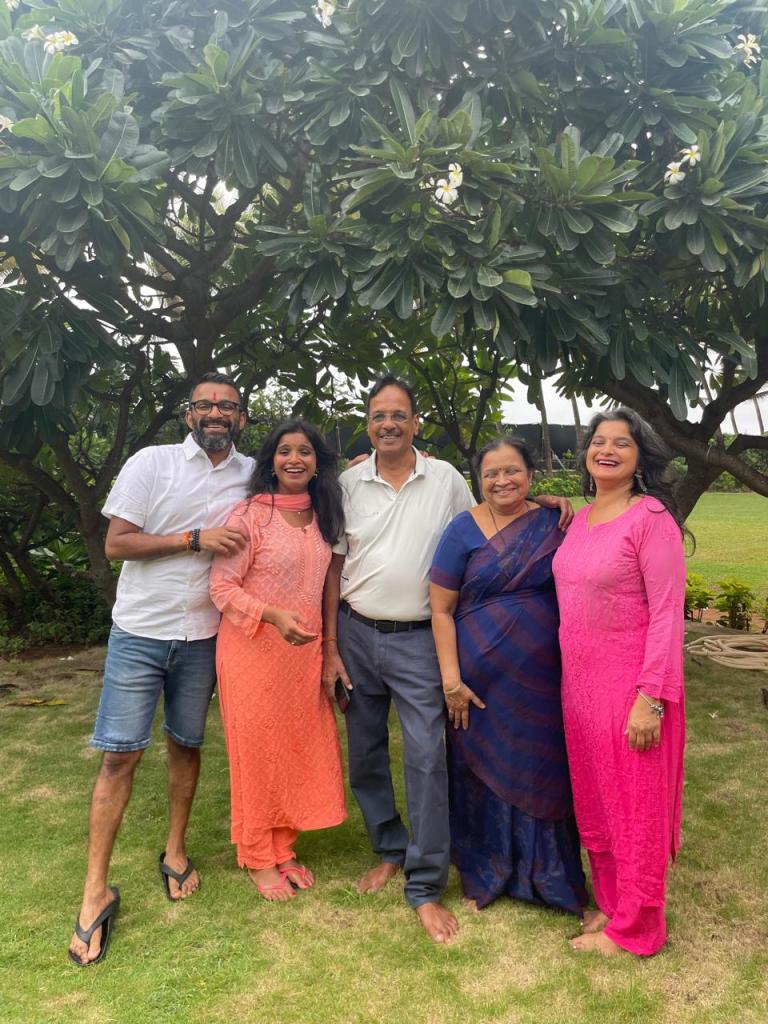
Badri Baldawa, 82, has his November plans already set. He is going on another self-drive with his wife, Pushpa Baldawa, adding a country to a travel record spanning more than 70 countries for him and around 60 countries for Pushpa. “I have planned my entire next month of driving, and my wife Pushpa is an enthusiastic travel companion. She would not only give company but is equally keen,” he says with a smile.
Perhaps that is what makes their partnership so appealing. Together, they have travelled across countries and continents, from the Arctic to the North Pole, and from mountain trails to the long road between Mumbai and London, but their appetite for adventure has hardly been satiated. Their more recent outings have included off-roading and a safari drive in Uganda, with camping in the forest. It would be convenient to read about Baldawa’s life through the years; yet such a reading would miss the most interesting details. At 82, he is still planning routes to explore, but his relationship with travel began long ago, before age became part of the story.
The Boy Who Wanted to See It for Himself
Born in 1945, Badri Baldawa recounts the school lesson that first introduced him to places where daylight and darkness could each last for months. “I was in class seventh then; and at that time, it sounded hazy to me. I was determined that I would be convinced only when I go to these places,” he recalls. Little did anyone know that his determination to see the phenomenon for himself would eventually take him to Nordkapp, Norway, where he experienced the midnight sun. “For me,” Badri says, “it was a dream formed when I was thirteen.” Badri opens up about his childhood days: “I was a naughty boy from childhood, and running around was one of my hobbies. Running around probably developed a habit of travelling.” There is a certain charm in how he connects the two. As a child, running around is infused with a curiosity to know; and only some do chase and keep running after their curiosities, which turn more vivid and bigger as they grow up. Similarly, in his telling, the distance between imagining something and doing is not a mystery, but just a distance to be crossed.
In a 2022 YouTube interview about his book, One Dream is not Enough, Badri says, “When I say I dream, it is just dreaming alone. We all dream,” and goes on to divide the process into three stages: daydreaming, exploration, and planning. It is an appealing philosophy, though the story of Badri’s own life makes clear that wanting something and being able to pursue it are not always the same. Before he could travel in search of the sun, he had responsibilities to people who depended on him. The boy who wanted to see the world would have to grow up and build a life for his family first.
The Road to Responsibility
Badri formally completed his schooling and college education in 1962, earned a state-level gold medal in B.Com, qualified as a Chartered Accountant in 1968, completed his ICWAI (formerly Institute of Cost and Works Accountants of India), now CMA (Cost and Management Accountant), in 1971 and qualified as a Company Secretary in 1972. He married Pushpa and began his career with West Coast Paper Mills, followed by Hindustan Ferro. His ambition, even then, was to start a business of his own, but a life is rarely built around a single ambition, and Badri’s circumstances demanded that he think beyond himself.
Three years after his qualification as a Company Secretary, Badri’s father died, leaving him responsible for thirteen siblings. “There were four younger sisters whose marriages had to be arranged and brothers whose education and futures required support.” With his career still in its formative years, Badri acted on advice from his mentor at the time, who urged him to go overseas. He first moved to Oman and then to Dubai, where he took a position at a company facing heavy losses and did not retreat when the director warned him about its precarious position. Instead, he said, “That’s the reason I want to join you.” It was a willingness to enter uncertain territory that would later find expression in his travels, although the stakes in Dubai were professional rather than personal. After working for almost three years with the company and building a stable life in Dubai, Badri returned to India at 43 and started an export business with zero capital.
In Dubai, he had held a senior position and had three cars at his disposal. In Mumbai, he preferred taking the bus from Churchgate to Nariman Point. The contrast is telling, not because one mode of transport is inherently more admirable than the other, but because it illustrates his determination to build something of his own. And he did. The years of responsibility had not been a detour from his life, but a substantial part of it. By the time he could begin thinking beyond work and family obligations, he had spent decades building the conditions for that freedom. It was time to change gears.
Changing Gears
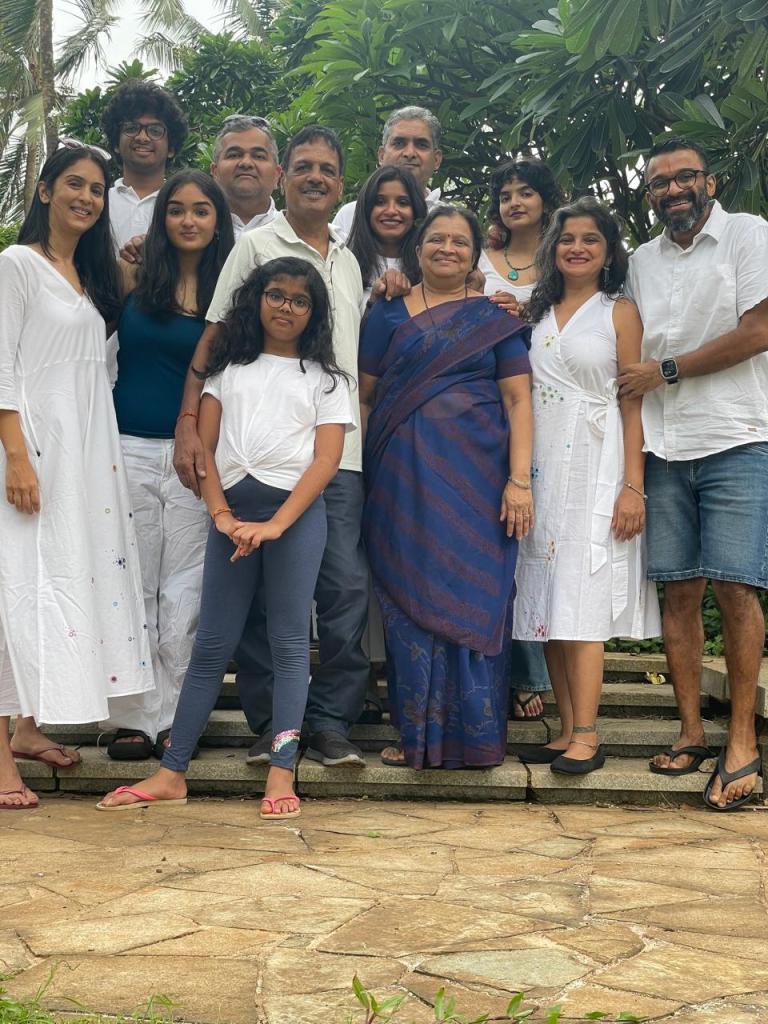
Having spent around 25 to 28 years of his life establishing a base for his family, Badri did not want his children to have to devote the same amount of time to creating the foundation for themselves. By 60, he spoke to his son, Anand, who was then in the UK, about taking over the business. Three years later, when Anand came back, Badri and Anand worked as a team for two to three years before Badri finally entrusted Anand with all the responsibilities.
This transition gave Badri the freedom to return to travel, an interest that years of responsibility had kept on hold. This stage of Badri’s life cannot be classified simply as retirement. There was no sudden departure from work or an age bar. In his own words, Badri believed, “I think I have done enough of what I wanted to do. God is and has always been great to me and has given me more than I expected.”
Perhaps this is the real promise of re(tyre)ment: it is just a shift of gears, not that leisure begins the moment work ends, but that time can be redistributed. For Badri, that meant returning to the passion he had carried since childhood. He had spent much of his life making plans around what others needed. Now, with Anand taking over the business, he could begin making plans around what he wanted to discover.
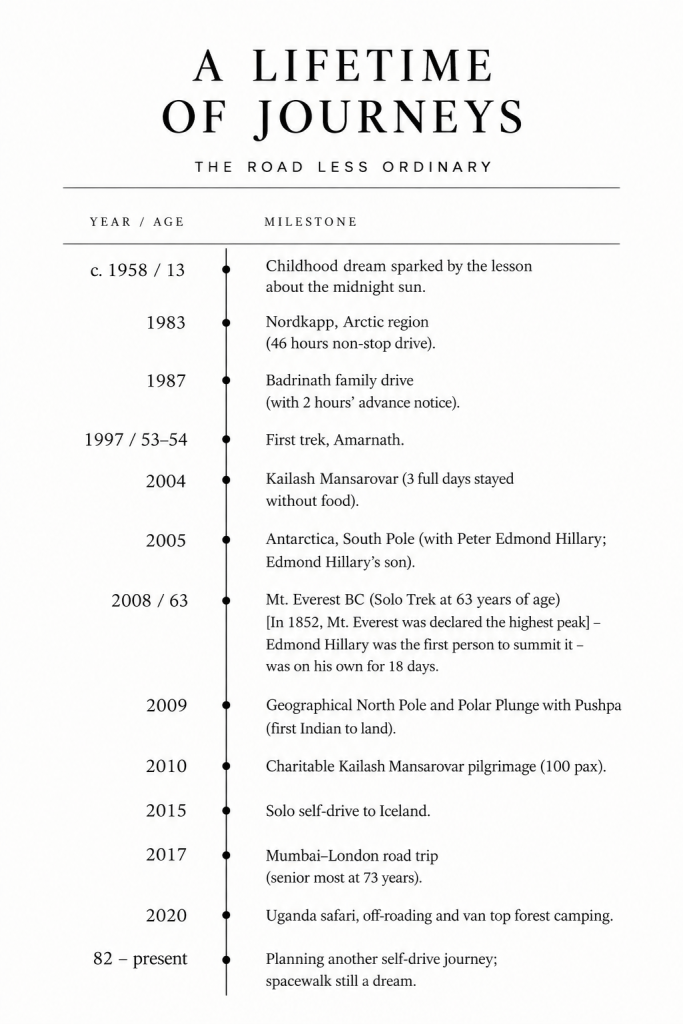
Chronology at a Glance
A Few Degrees of Curiosity
At thirty-eight, while still immersed in his professional life, he drove for 46 hours without stopping to reach the Arctic region and witness the midnight sun.
Four years later, a disrupted family itinerary led him to Badrinath by road instead of by train. There was no looking back; the family left Bombay with just two hours’ notice. Badri describes himself as ziddi, a word that captures something of his temperament. In this instance, stubbornness was less about refusing to change course than refusing to abandon the destination. By 1997, however, the road no longer offered quite enough. At fifty-three or fifty-four, Baldawa undertook his first trek to Amarnath. “Driving alone doesn’t give me satisfaction. I should trek also,” he recalls.
A road trip allows a traveller to cross vast stretches of territory, but a mountain trail imposes its own terms. Progress must be made step by step; the body becomes as much a part of the undertaking as the route itself. The change from driving to trekking was a practical one, too: Baldawa wanted to experience landscapes in ways a car could not. The journeys that followed took him considerably farther from the familiar roads.
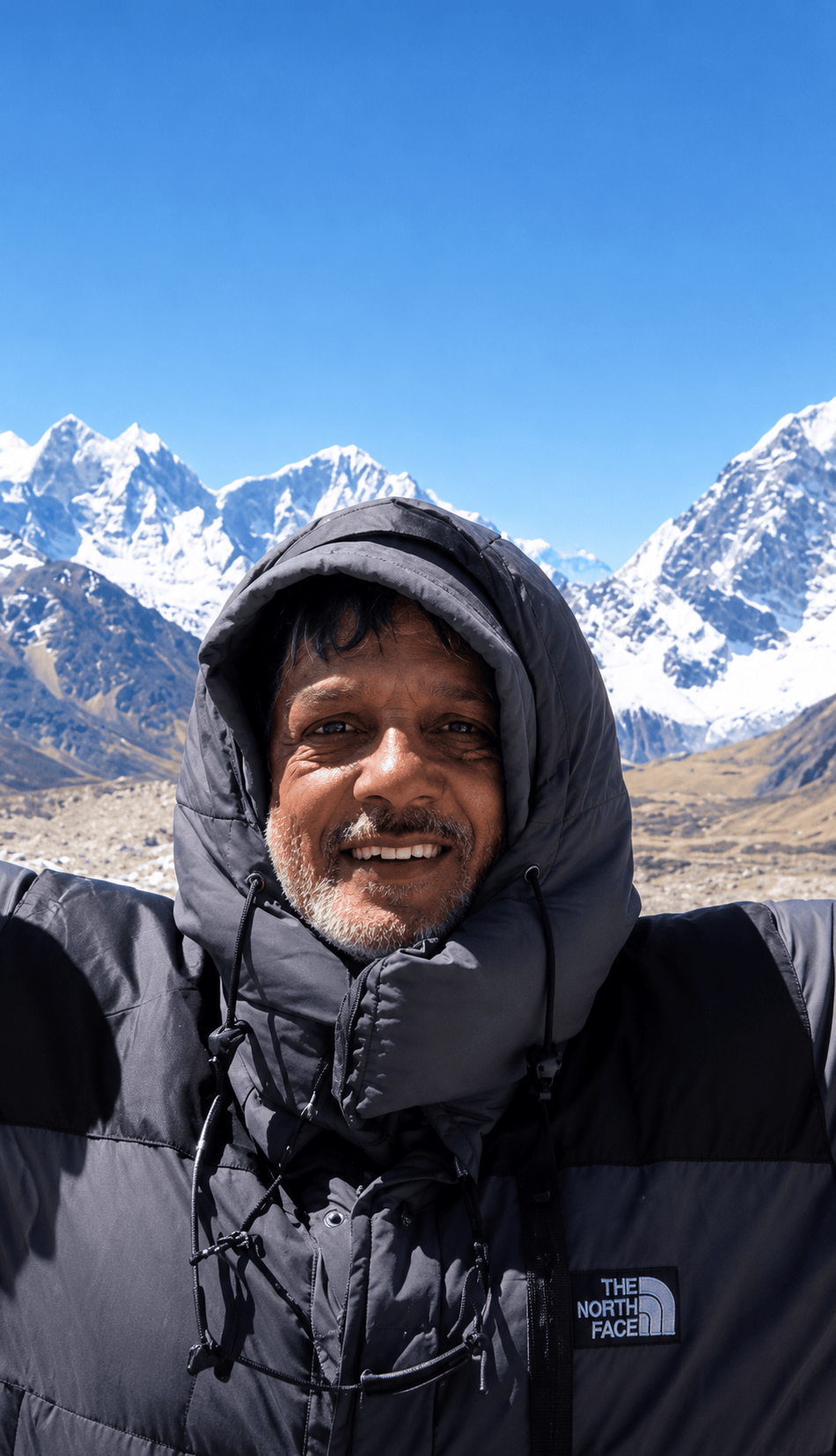
In 2004, Baldawa travelled to Kailash Mansarovar, where he stayed for three full days without food. A year later, he was in Antarctica, in the company of Peter Hillary, son of Sir Edmund Hillary.
“At the age of 63, taking Everest is a tough job, but Peter inspired me so I went to the Everest Base Camp in 2008,” Baldawa recalls.
He was sixty-three when he undertook the trek, spending eighteen days on his own. For someone accustomed to covering long distances behind the wheels, this was a different kind of journey. The trek meant being on foot, which demanded a different kind of preparation. The following year, he and Pushpa travelled to the geographical North Pole, at 90 degrees north, where they planted the Indian flag. Pushpa also took a polar plunge through an opening cut into the ice, returning within the capped 90 seconds.
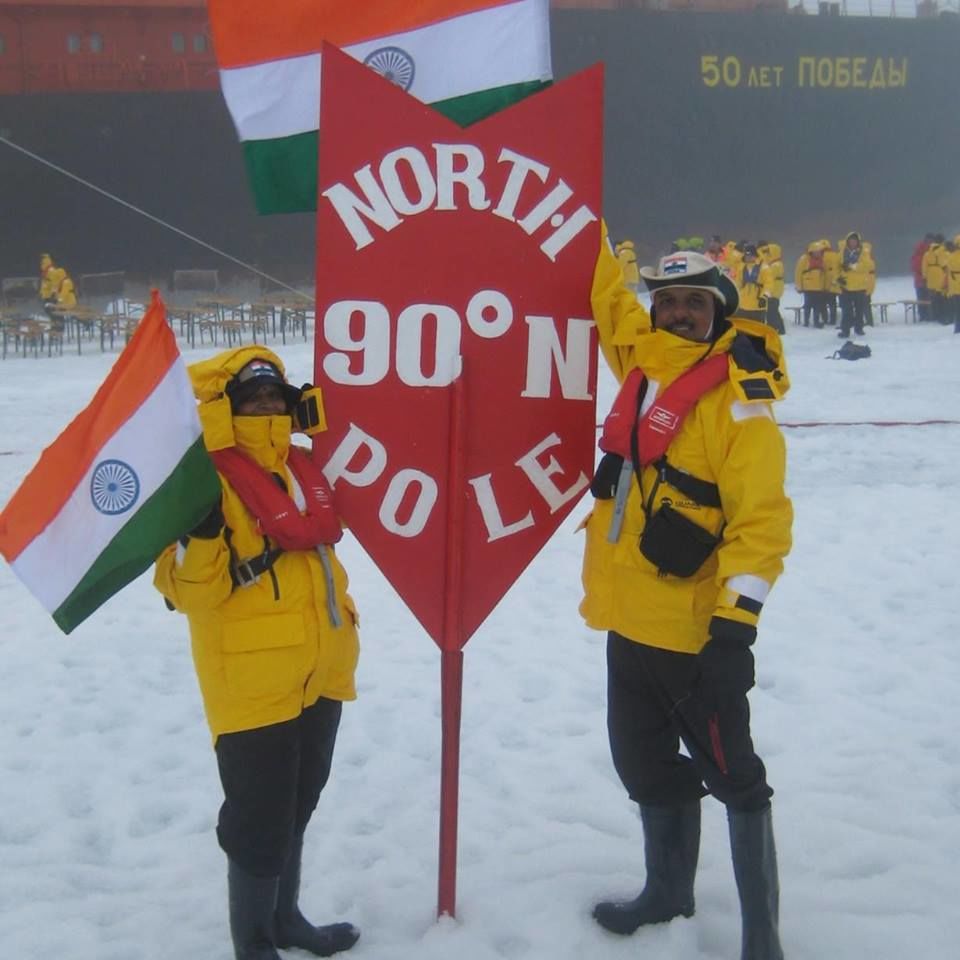
In 2015, he set off on a solo self-drive across Iceland. Two years later came the Mumbai–London road trip, undertaken at seventy-two, which brought together his love of driving and his appetite for unfamiliar territory. By 2020, he was exploring Uganda on safari drives and off-road adventures, with nights spent camping on top of a van in the forest. By then, his travels ranged from solitary drives to expeditions shared with Pushpa and the family.
Road to London
Badri remembers that in 2012, when he and Pushpa were flying from Mumbai to London, the sight of the Alps made him wish he could drive there. For Pushpa, it was another ambitious proposal to contend with, but Badri started his research as soon as they returned home. The journey took about four years of planning, and luckily Badri met someone who had travelled from London to Delhi and helped him plan the route. “I remember when I used to talk about the plan in my social circle. My friends jokingly said, you are a madman. At the age of 72–73, you are thinking of self-driving from Mumbai to London. You should respect your age, and don’t think of doing this adventure.” Their doubts only strengthened his resolve. “Age has nothing to do with adventure, and I have to prove it.” That day, he came home and texted all four of his grandchildren, then aged between 7 and 10, inviting each of them to join him on the trip. All four had examinations around the time of the proposed journey. Nishi, his granddaughter from the UK, was keen to join him despite her own exams. She approached her principal, who agreed to the arrangement. But a week before the planned trip, she fractured her foot in a running race and sent Badri a photograph: “Look, I am on stretchers, and I won’t be able to come because of the fracture.” Badri was not persuaded to change the plan. “All the more reason, you are going to come with me now, and with all the problems you and I have, we are going to make it work,” he told her. Nishi, the nine-year-old, joined him on the journey.
A Nine-Year-Old Can Do It, and a 71-Year-Old Can Too
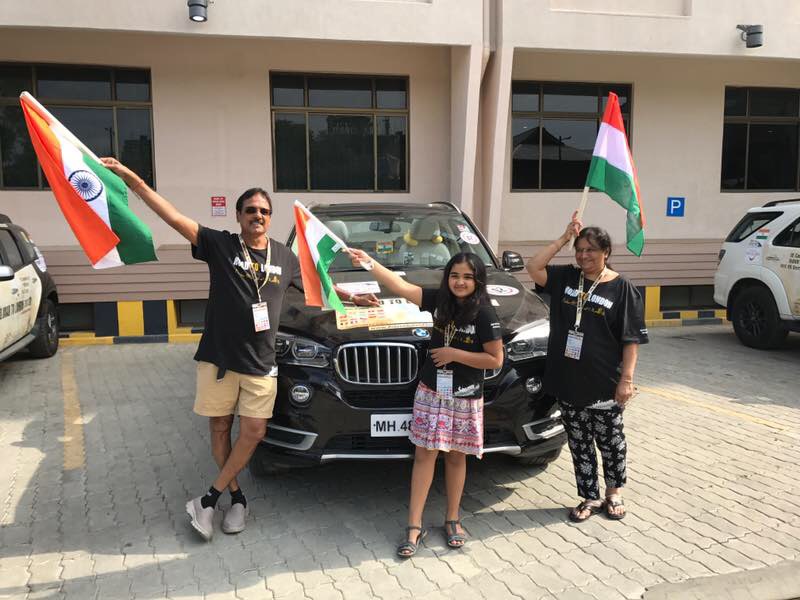
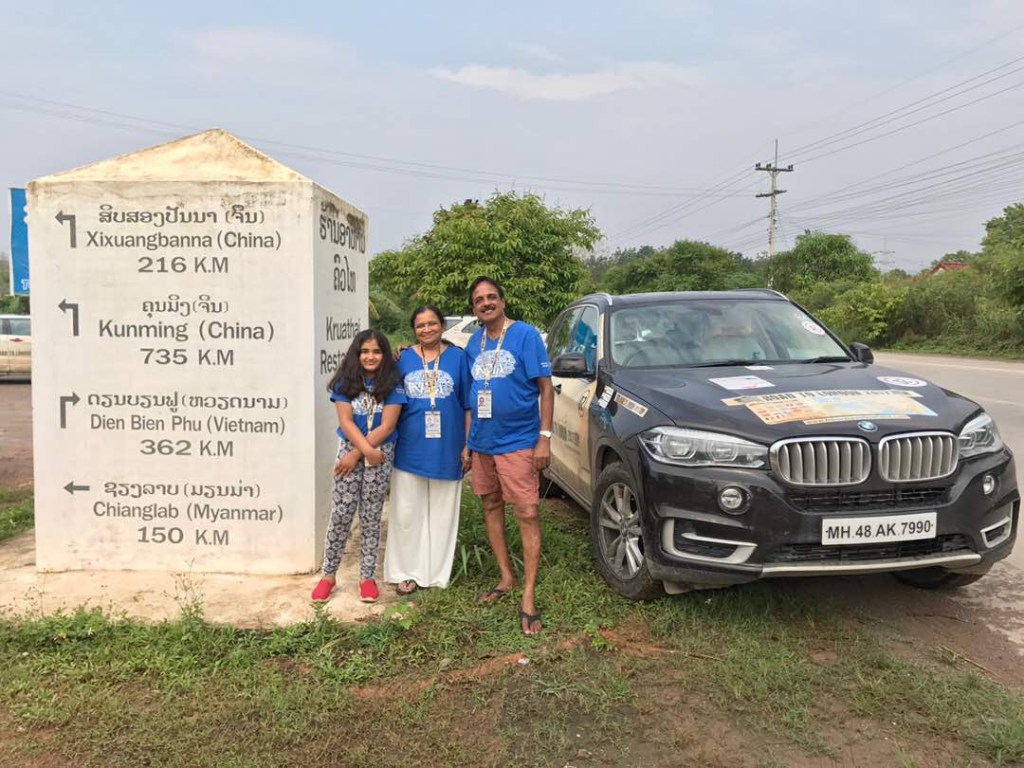
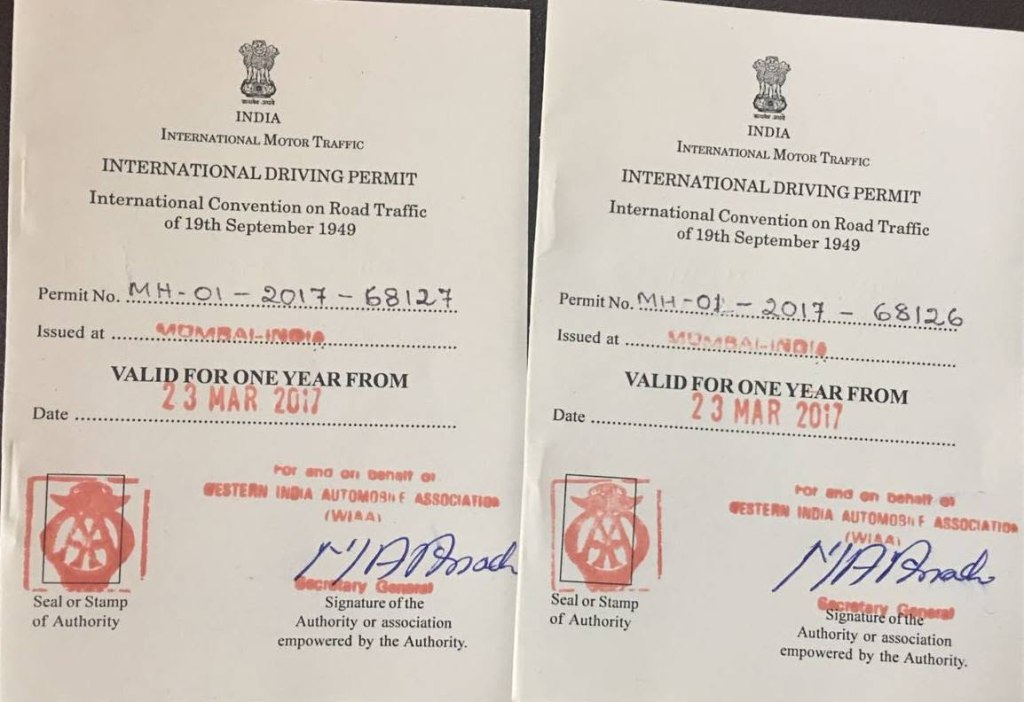
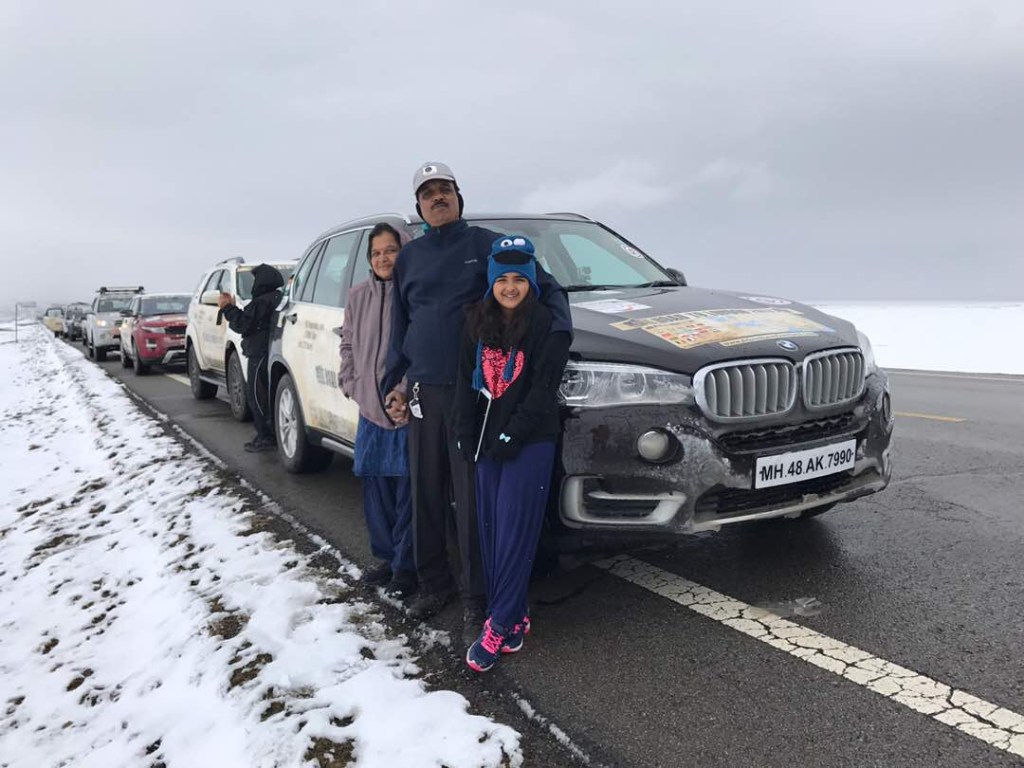
On 23 March 2017, at 71, Badri set off from Mumbai with Pushpa and Nishi, who lived in the UK. Together, they covered 22,200 kilometres across 19 countries, a journey that could not be accomplished by enthusiasm alone.
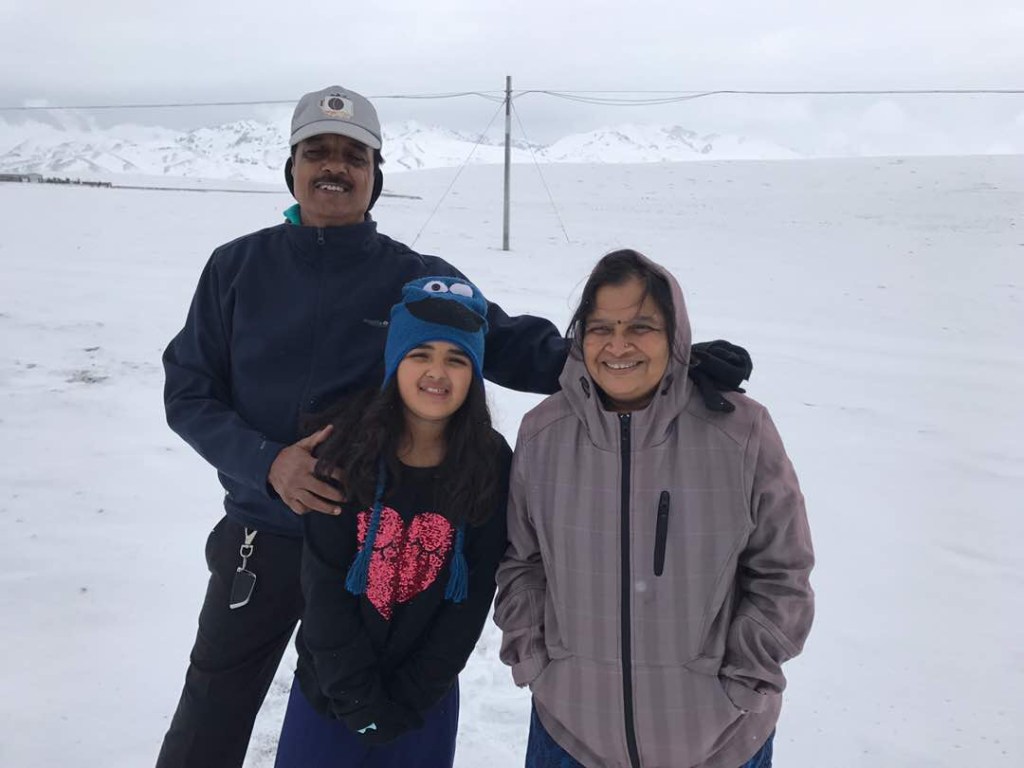
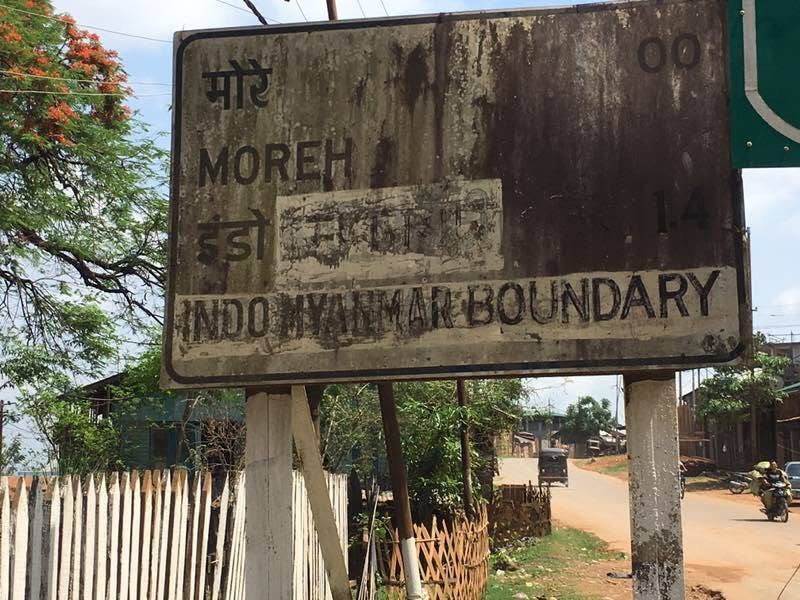
The trip lasted 72 days. They covered 400 kilometres on an average day, spending roughly twelve hours driving while taking breaks to explore the places along the way. Their longest day on the road was stretched to 930 kilometres, from Warsaw to Brussels. As Pushpa recalled, “We had breakfast in Warsaw, lunch in Cologne, and dinner in Brussels.” A day like that makes the journey’s scale tangible: three countries, three meals, hundreds of kilometres, and a car that had to keep going. But the more revealing parts of the expedition were often the moments that could never have been planned into an itinerary.
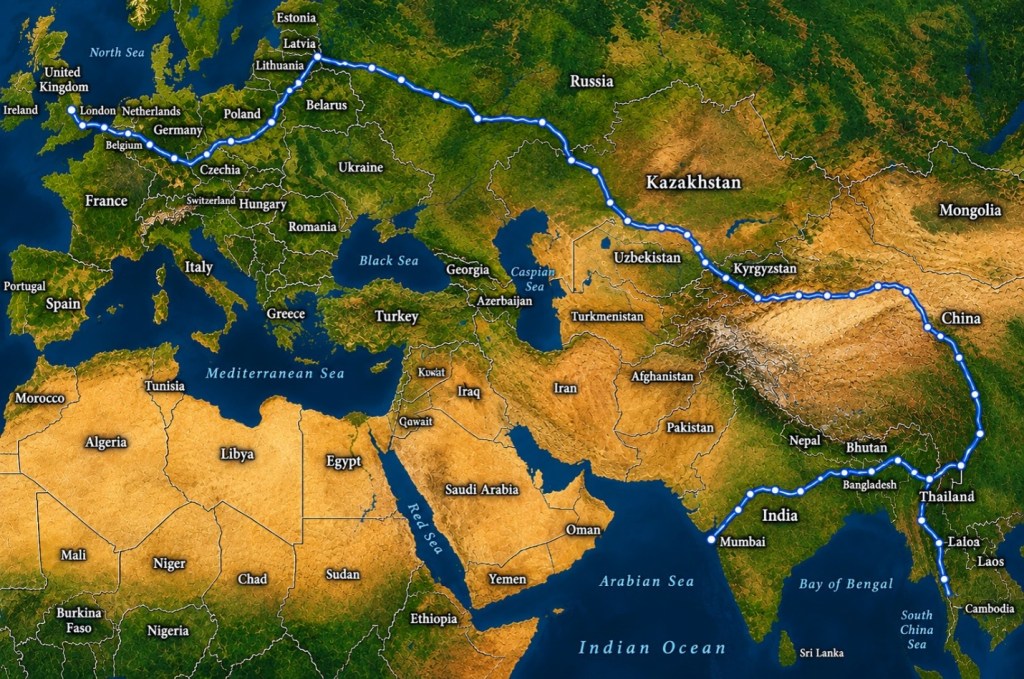
In China, a misunderstanding caused by a language barrier led to the family being taken to a police station. In Russia, a pebble struck the windshield, leaving a hole. On another occasion, a stork hit the car while they were travelling at 120 kilometres per hour, shattering the windshield. Baldawa lost his phone in China. The accommodation was not always comfortable, and the food did not always suit their tastes. Nishi struggled with the Indian-style toilet. In the span of four hours, the temperature dropped from 24°C in Dunhuang to 0°C in Xining. Before the journey, Nishi had been afraid of heights. After three ropeway rides, she overcame her fear. The trip was not simply carrying her from one destination to another; it was introducing her to experiences she might otherwise have avoided.
When I consider the list of difficulties, I ask Baldawa which experiences were the worst. He refuses to arrange the memories into a hierarchy of misery. “First, there are no worst experiences,” he says. “They are all challenges.” A cracked windshield is not a metaphor when you are hundreds of kilometres from home; it is a problem that must be dealt with. A language barrier cannot be overcome simply by being determined. And the weather does not adjust itself to the comfort of the traveller. The family had to respond to each situation as it arose, making adjustments rather than expecting the road to accommodate them.
Yet one of the most memorable episodes in Baldawa’s account has little to do with the landscape. The family, being strict vegetarians, had run out of their supply of theplas and asked their son, Anand, to send more to the hotel where they were staying in China. Little did they know that one night Anand would bring them across countries himself. Despite travelling through unfamiliar countries and negotiating different foods and conditions, their lives at home had not fallen away. For someone who had once put his own ambitions on hold to look after thirteen siblings, perhaps this was a particularly moving reversal. He had spent years ensuring that other people had what they needed. Now, far from home and in the middle of an adventure he had planned for himself, he was on the receiving end of a gesture of care.
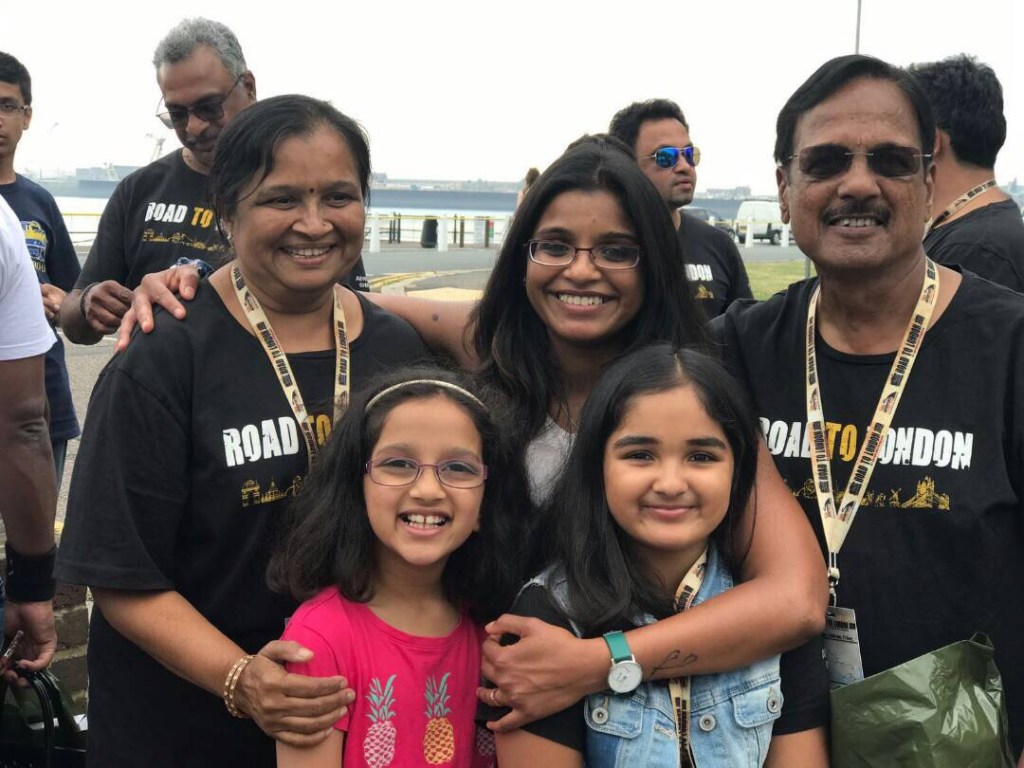
On 2 June 2017, the family reached London. The drive had taken them across 19 countries and 22,200 kilometres in 72 days. It later became the basis of One Dream Is Not Enough, a book in which Nishi also helps tell the story of the journey.
Calculated Deviations
For all his stubbornness, Baldawa does not appear to believe that determination alone is enough to make a journey successful. He prefers planning his own trips and says that he prefers to organise his travels himself, valuing the freedom to change a plan, explore an unexpected possibility or spend longer somewhere that catches his attention. “I don’t like arranged trips. I want something to do different from normal,” he says.
His preference for independence is particularly revealing when placed alongside his attitude towards risk. On his first Kailash Mansarovar trip, members of the group grew apprehensive when they saw a woman return with an oxygen tube attached to her face. They decided not to proceed with the parikrama. Baldawa and Pushpa, however, still wanted to continue. Four doctors joined them, bringing the group to six, and the couple went ahead. During his Everest Base Camp journey, he saw bodies being brought back from the mountain. The sight did not persuade him that every mountain-related ambition should be abandoned, but neither did he treat the danger as irrelevant. “When I went to Mount Everest, there were so many corpses coming back from there, but that doesn’t mean I won’t go. As long as I have a calculated risk, I would go.”
The Mumbai–London drive offered its own version of this calculation. A damaged windshield, an abrupt change in temperature or an encounter with officials in a country where one cannot communicate easily are not problems that can be solved in advance. They demand judgment in the moment. The traveller must be prepared not only to make a plan, but also to deviate from it. For Baldawa, the idea of a calculated risk seems to have roots beyond travel. The death of his father left him responsible for his siblings; establishing his own business required him to make decisions without the assurance of success. Later, when he had more freedom, he began to choose his challenges, but the need to assess a situation and decide how to proceed remained.
“With all the problems in my life, the one thing I have learned is: ‘Don’t allow the problems to dominate you, dominate them.’” The advice is not that difficulties can always be overcome, but that they need not determine every subsequent decision. A journey may change direction; it need not lose its purpose.
One Dream Still in Orbit
After driving across continents, trekking to Everest Base Camp and reaching the North Pole, one might imagine that Baldawa would have run out of places to dream about. He has not. There is still one destination he would like to reach, though this time the road cannot be planned in the same way. He had hoped to undertake a spacewalk with Pushpa. When he first explored the possibility, commercial space-travel providers suggested that they might begin taking people within seven or eight years. By 2019–20, he understood that such journeys were becoming possible, but when he pursued the idea further, he was told that he was over the eligible age.
For a man who has repeatedly turned improbable ideas into practical plans, this is a different kind of obstacle. A route can be researched, a car prepared and a journey adjusted as circumstances change. But there are limits that cannot be overcome through planning alone, particularly when another party sets the conditions for participation. Still, Baldawa does not speak as though the unrealised spacewalk has left his life incomplete.
“Doesn’t matter. I think I have nothing to repent today.” He would still like to go, but finding a new experience that excites him has become more difficult. He says, “I would still like to go, but I am not able to get new ideas, nor is someone else able to go to new ideas.” After so many journeys, the question is no longer simply where he has not been. It is what might still surprise him. Curiosity does not guarantee that every possibility will remain available. Some dreams are beyond one’s control. Baldawa has travelled far, but his story is not compelling because he has managed to do everything. It is compelling because he continues to distinguish between what he has experienced and what he might yet discover.
To Be Continued…
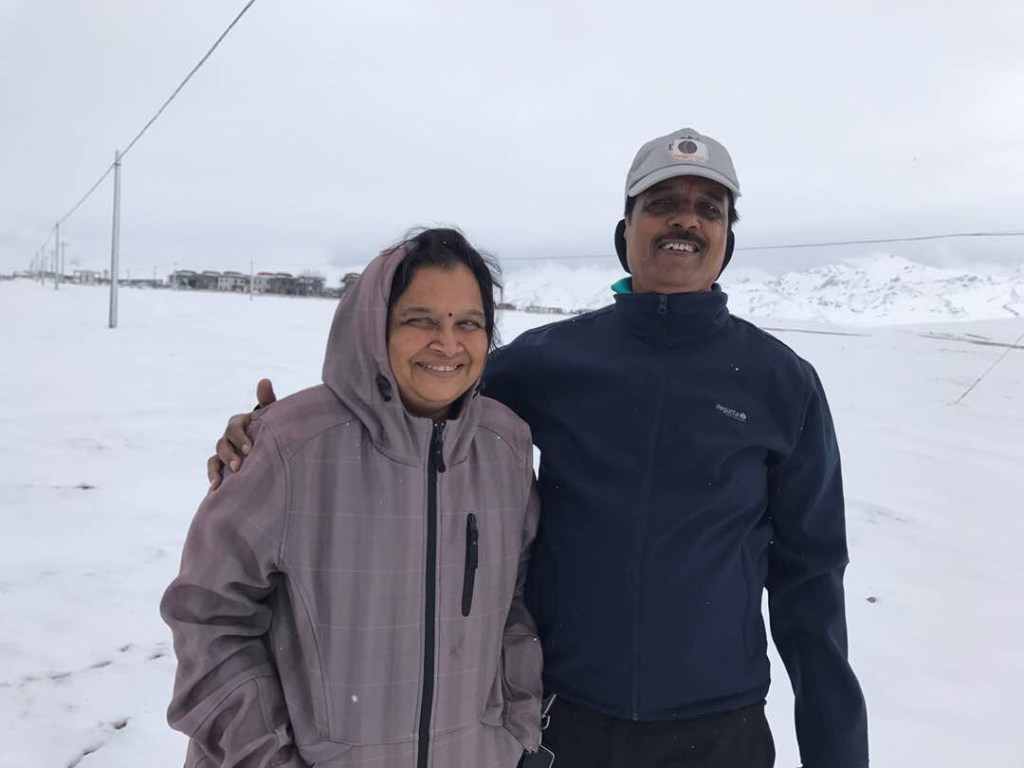
At 82, Baldawa is still planning the next self-drive journey. Pushpa is still part of those plans, and their exchanges suggest that the decision to travel is as much a shared habit as it is an individual ambition. He proposes; she agrees. The route will have to be worked out, the arrangements made and the inevitable complications dealt with when they arise.
Decades later, that instinct has taken him across mountains, polar landscapes and international borders. It has survived the years in which family responsibilities had to come first, and it has found a place alongside the professional life he worked so hard to establish. Baldawa has already travelled to more than 70 countries. The number is impressive, but it is not the point. What matters is that he continues to make plans. Join Badri on his upcoming trips on his blog: https://badri.smritiweb.com/.